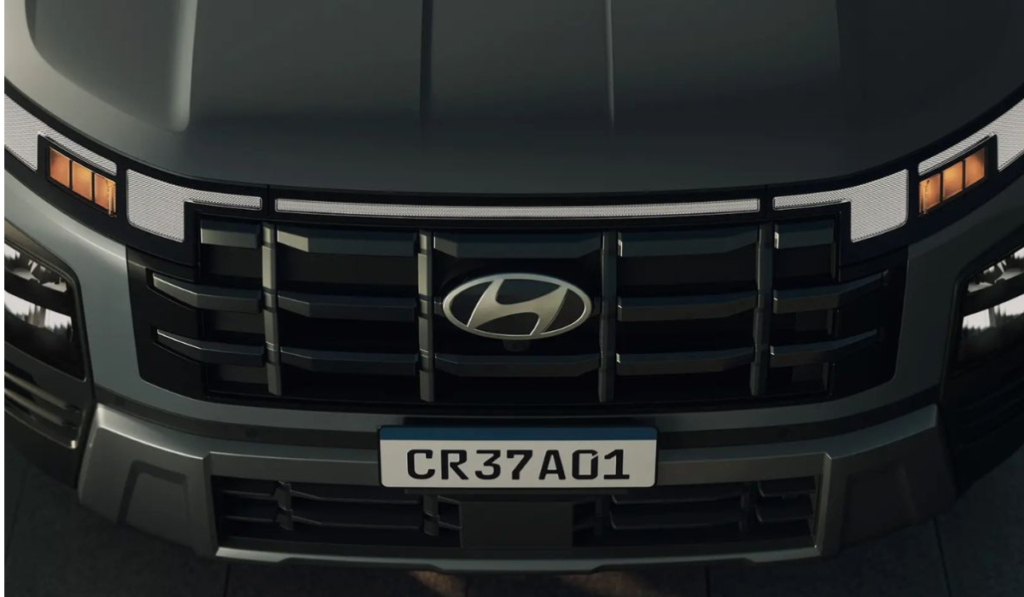
Hyundai has made a strong impact in the Brazilian automotive market with a competitively priced model at R$ 104,751. This aggressive pricing strategy has allowed Hyundai to outperform popular rivals such as the Volkswagen Polo, Volkswagen T-Cross, offerings from Fiat, and even emerging electric competitors from BYD.
Hyundai’s Competitive Breakthrough
Hyundai’s latest offering in Brazil has gained attention for delivering a balanced package of affordability, features, and performance. At a price point of R$ 104,751, it directly targets budget-conscious buyers who still want modern technology and reliability.
Key Highlights
- Highly competitive pricing in its segment
- Strong value-for-money proposition
- Modern design and updated features
- Efficient engine options suitable for urban use
- Growing popularity in Brazil’s compact car segment
This pricing strategy has helped Hyundai gain a clear edge over both traditional and new-age competitors.
Why Hyundai Is Winning in Brazil
The Brazilian auto market is highly price-sensitive, and Hyundai’s approach aligns perfectly with current buyer expectations.
Key Reasons Behind the Success
- Affordable pricing compared to rivals
- Better feature-to-price ratio
- Strong after-sales support and brand trust
- Fuel-efficient engines suited for daily commuting
- Attractive design appealing to younger buyers
These factors have made Hyundai’s model a preferred choice among first-time car buyers and urban users.
How It Beats the Competition
Against Volkswagen Models
Hyundai has managed to outperform the Volkswagen Polo and T-Cross by offering similar features at a more accessible price point. While Volkswagen focuses on premium feel, Hyundai delivers better overall value.
Against Fiat
Fiat models are known for affordability, but Hyundai has added more features and refinement, giving it an advantage in perceived quality.
Against BYD
While BYD is gaining traction with electric vehicles, Hyundai’s pricing and practicality in the petrol segment still appeal to a broader audience in Brazil, where EV adoption is still developing.
Features That Make the Difference
Hyundai’s winning formula lies in offering premium-like features at an entry-level price.
Expected Features
- Touchscreen infotainment system with connectivity options
- Digital instrument cluster
- Advanced safety features including airbags and ABS
- Comfortable interior with good space utilization
- Stylish exterior with modern design elements
These features make the car competitive even against higher-priced alternatives.
Market Impact and Sales Growth
Hyundai’s aggressive pricing has already started influencing the competitive landscape in Brazil.
Market Effects
- Increased pressure on Volkswagen and Fiat pricing strategies
- Rising competition in the entry-level and compact segments
- Greater attention toward value-driven offerings
- Boost in Hyundai’s market share in the region
This move could trigger a pricing war among automakers in Brazil.
What This Means for Buyers
For consumers, Hyundai’s strategy translates into better choices and more value for money.
Benefits for Buyers
- More features at a lower price
- Improved competition leading to better deals
- Wider range of options in the same budget
- Increased focus on customer satisfaction
Conclusion
Hyundai’s R$ 104,751 offering has disrupted the Brazilian automotive market by outperforming well-established competitors like Volkswagen, Fiat, and BYD. With its strong value proposition, modern features, and competitive pricing, Hyundai is setting a new benchmark in the segment. If this trend continues, it could reshape buying preferences and force competitors to rethink their strategies.
also read- Nissan Skyline Returns With Retro Design and Could Spawn a New Infiniti Sedan
FAQ
Which Hyundai car is priced at R$ 104,751?
The exact model may vary by variant and market updates, but it represents Hyundai’s entry-level or compact offering in Brazil.
Why is Hyundai outperforming Volkswagen and Fiat?
Hyundai offers better value for money, combining competitive pricing with modern features and reliable performance.
Is BYD a strong competitor in Brazil?
Yes, BYD is growing in the EV segment, but Hyundai still leads in affordability and practicality for traditional fuel cars.
What makes Hyundai cars popular in Brazil?
Affordable pricing, strong features, fuel efficiency, and reliable after-sales service contribute to Hyundai’s popularity.
Will competitors reduce prices after this?
It is possible, as Hyundai’s aggressive pricing may push other brands to adjust their strategies to stay competitive.