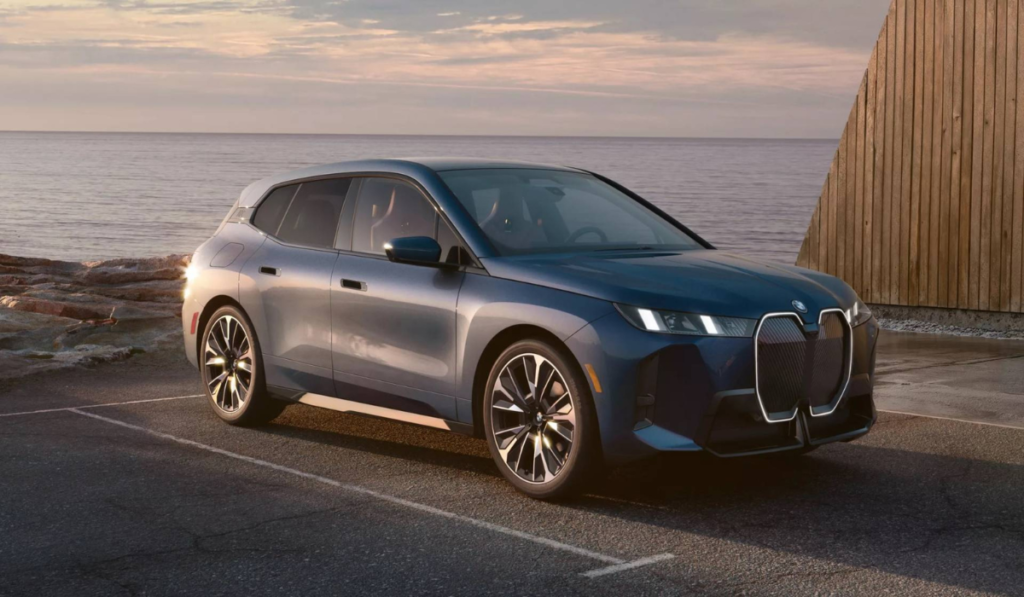
BMW is reportedly shifting its electric vehicle strategy by phasing out the iX and focusing on the development of the next-generation iX3, which promises significantly improved range and efficiency. This move reflects BMW’s push toward more advanced and scalable EV platforms.
Why BMW Is Moving Away From the iX
The BMW iX was introduced as a flagship electric SUV, showcasing BMW’s innovation in design and technology. However, changing market demands and evolving EV architecture have led the company to rethink its lineup.
Key Reasons Behind the Decision
- High production costs compared to newer platforms
- Limited scalability of the current architecture
- Growing demand for more efficient and longer-range EVs
- Shift toward next-generation electric platforms
BMW is now focusing on future-ready vehicles that can deliver better performance and value.
The All-New iX3: A Major Upgrade
The upcoming BMW iX3 is expected to be built on BMW’s next-generation EV platform, offering major improvements across all areas.
Expected Improvements
- Significantly longer driving range
- More efficient battery technology
- Faster charging capabilities
- Improved performance and handling
- Advanced software and connectivity features
This new model aims to address key limitations of earlier EVs.
Next-Generation EV Platform
BMW’s future EVs, including the new iX3, are expected to use a completely redesigned architecture focused on efficiency and flexibility.
Platform Benefits
- Higher energy density batteries
- Reduced weight for better performance
- Scalable design for multiple vehicle types
- Enhanced driving dynamics
This platform will likely form the backbone of BMW’s upcoming electric lineup.
Market Strategy and Positioning
BMW’s decision reflects a broader strategy to stay competitive in the rapidly evolving EV market.
Strategic Focus
- Prioritizing high-demand SUV segments
- Offering longer range to meet customer expectations
- Competing with global EV leaders
- Streamlining product lineup for better efficiency
This approach could strengthen BMW’s position in the premium EV segment.
Impact on the EV Market
BMW’s shift could influence how other automakers approach their electric vehicle strategies.
Key Impacts
- Increased competition in the mid-size electric SUV segment
- Pressure on rivals to improve range and efficiency
- Faster adoption of next-gen EV platforms
- Greater focus on cost-effective production
The industry is clearly moving toward more advanced and practical EV solutions.
Expected Launch Timeline
The next-generation iX3 is expected to debut in the coming years, possibly around 2026 or 2027, as BMW accelerates its EV roadmap.
Conclusion
BMW’s decision to phase out the iX and focus on a new, longer-range iX3 highlights a major strategic shift toward efficiency and innovation. With improved range, advanced technology, and a next-generation platform, the iX3 could become a key player in the global electric SUV market. This move underscores BMW’s commitment to staying ahead in the EV race.
also read – Rolls-Royce Unveils Ultra-Luxury Two-Seater Electric Car That Redefines Opulence
FAQ
Why is BMW discontinuing the iX?
BMW is shifting focus to newer EV platforms that offer better efficiency, scalability, and longer range.
What is special about the new iX3?
The next-generation iX3 is expected to feature longer range, faster charging, and improved performance.
When will the new iX3 launch?
It is expected to launch around 2026 or 2027.
Will BMW continue making electric SUVs?
Yes, BMW is expanding its EV lineup with a focus on advanced electric SUVs.
How does this affect BMW’s EV strategy?
It shows a clear move toward next-generation technology and more competitive electric vehicles.