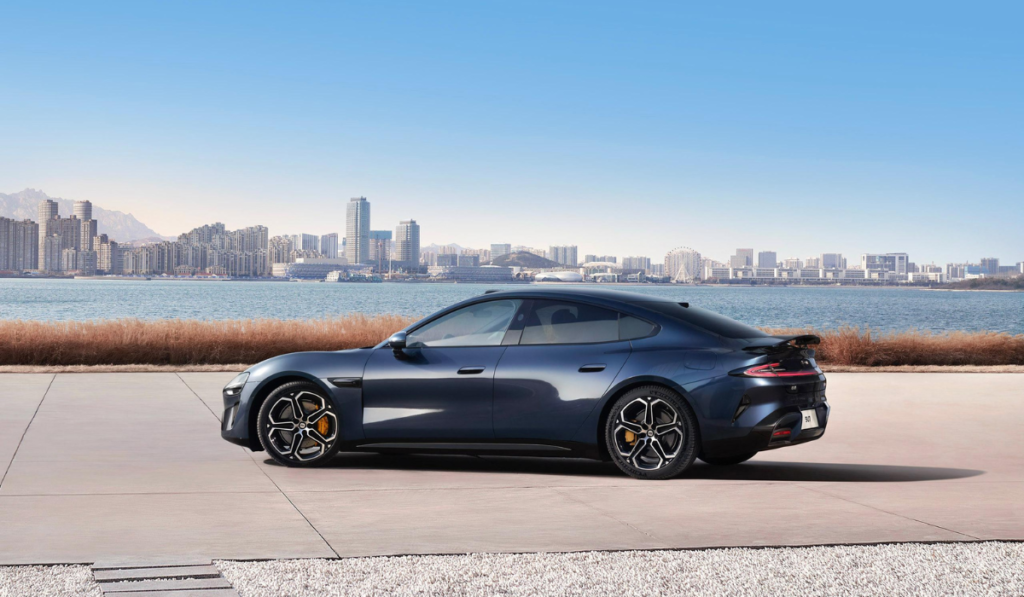
When the CEO of Ford Motor Company spends six months driving a car made by a smartphone brand—and openly says it’s more relevant than Tesla—the automotive world pays attention.
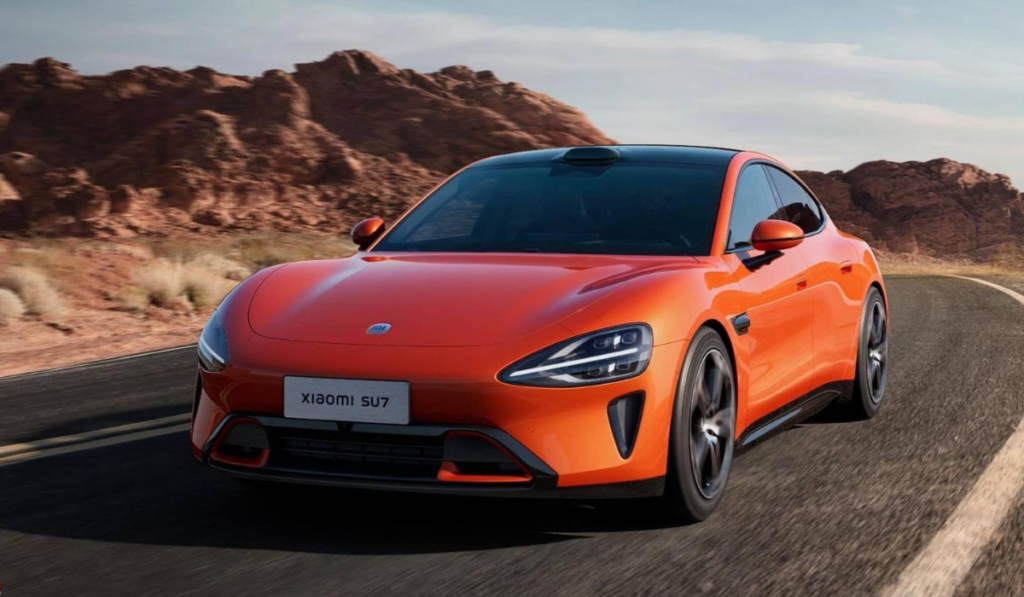
That’s exactly what happened when Jim Farley revealed he chose the Xiaomi SU7 over a Tesla for real-world testing. His decision isn’t just surprising—it signals a major shift in the global electric vehicle (EV) race.
A Bold Statement That Shook the Auto Industry
During an appearance on the Rapid Response podcast, Farley made a blunt remark:
Tesla is doing great, but they don’t have an updated vehicle.
This wasn’t casual criticism. It was a calculated observation from one of the most influential leaders in the automotive world.
For years, Tesla has been seen as the benchmark for EV innovation. But Farley’s statement suggests that benchmark may be shifting—and fast.
Why the Xiaomi SU7?
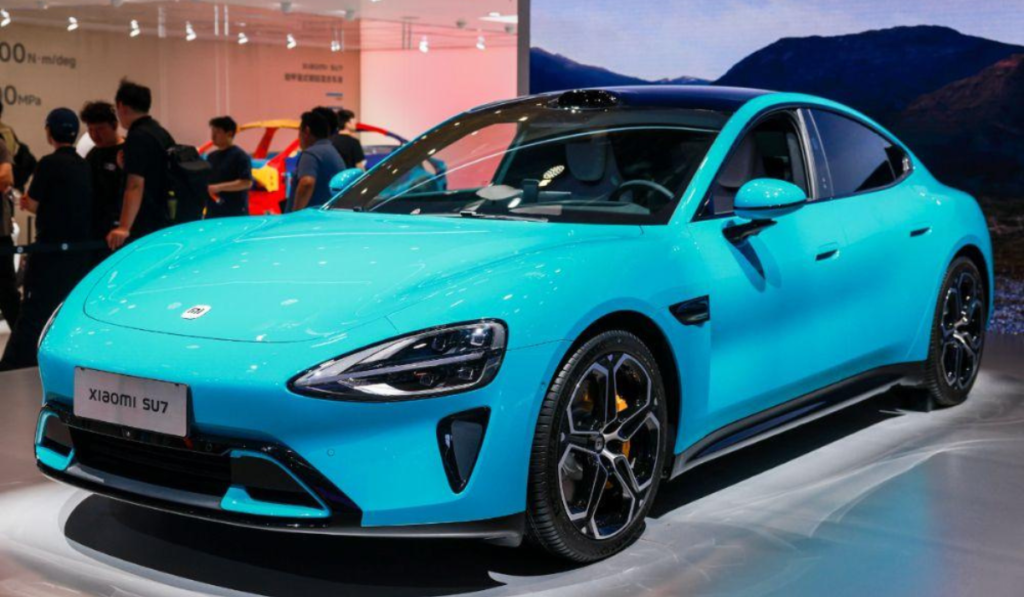
The Xiaomi SU7 isn’t even sold outside China. Ford had to import it from Shanghai to Chicago just for testing.
And yet, after six months of daily driving, Farley said:
“I don’t want to give it up.”
That’s not something you typically hear from a CEO evaluating a competitor’s product.
What Makes the Xiaomi SU7 So Impressive?
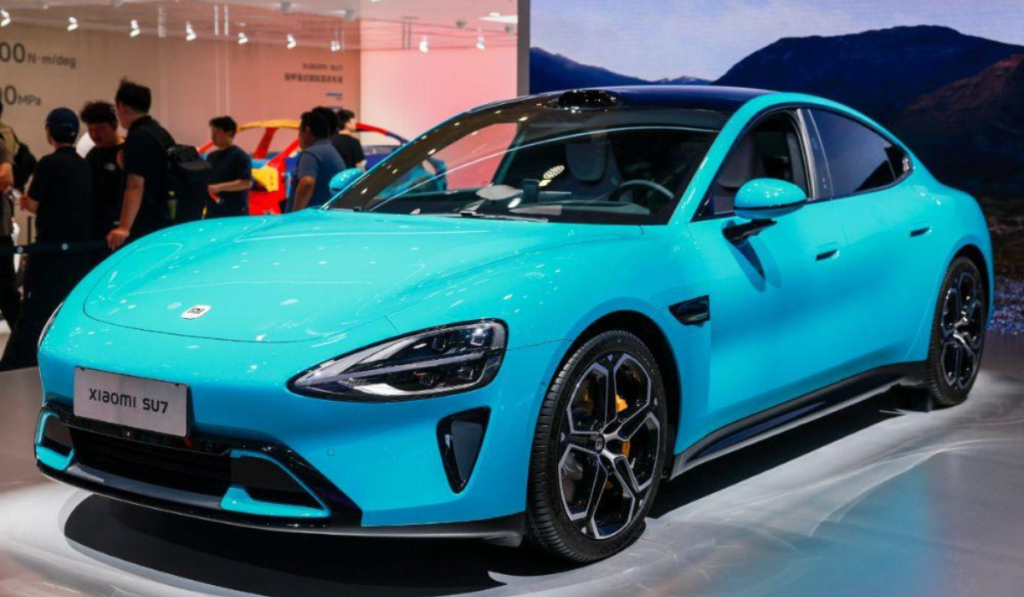
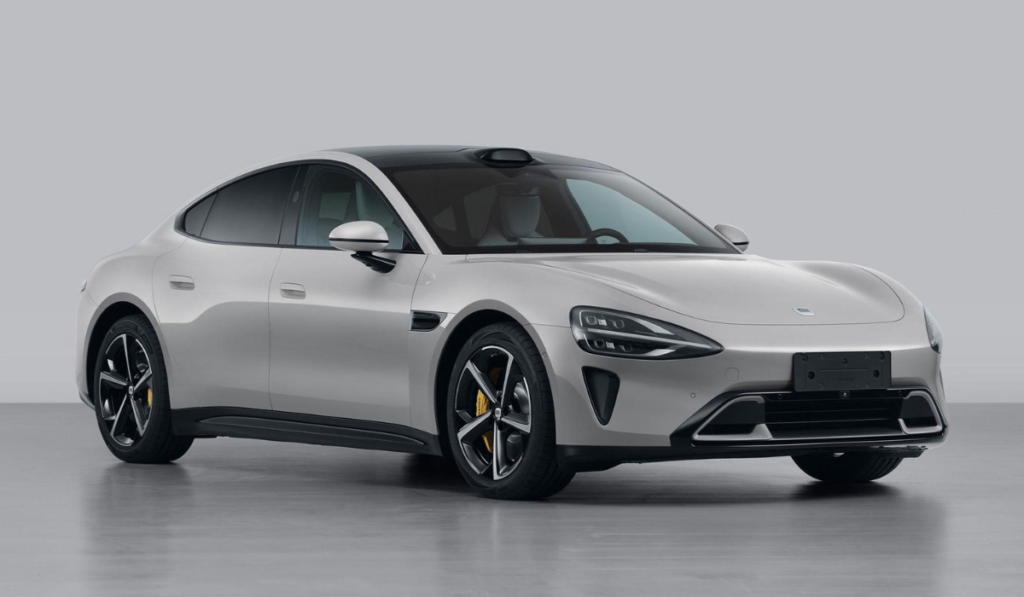
The SU7 represents a new kind of EV—one built with a software-first mindset and deep ecosystem integration.
Key Highlights:
- Price: Starts around $30,000
- Acceleration: 0–62 mph in just 2.7 seconds
- Range: Up to ~435 miles
- Infotainment: Massive 16.1-inch display
- Smart Ecosystem: Controls home devices directly
Unlike traditional automakers, Xiaomi leverages its experience in consumer electronics. The result is a car that feels more like a smart device on wheels.
Xiaomi SU7 vs Tesla Model 3
| Feature | Xiaomi SU7 | Tesla Model 3 |
|---|---|---|
| Starting Price | ~$30,000 | ~$40,000 |
| 0–62 mph | 2.7 sec | 3.1 sec |
| Range | ~435 miles | ~358 miles |
| Screen Size | 16.1-inch | 15.4-inch |
| Ecosystem | Smart home integration | Tesla ecosystem |
On paper—and in real-world use—the Xiaomi SU7 offers more value at a lower price.
Is Tesla Falling Behind?
Farley’s comment about Tesla lacking an “updated vehicle” points to a deeper issue: innovation pace.
While Tesla has refreshed models like the Model 3 and Model Y, these updates haven’t fundamentally changed the vehicles.
Meanwhile, Chinese companies like:
- BYD
- Xiaomi
are building EVs from the ground up with modern architecture, better cost efficiency, and faster iteration cycles.
Farley even stated:
China is dominating the global EV landscape.
The Real Threat: BYD
According to Farley, Tesla isn’t the biggest concern—BYD is.
Why?
- Lower production costs
- Strong supply chain control
- Faster innovation cycles
- Massive scale
This combination makes Chinese automakers extremely difficult to compete with.
What This Means for Ford
Ford isn’t ignoring the challenge. In fact, it’s already adapting.
Key Moves:
- Developing a Universal EV Platform
- Targeting a $30,000 electric vehicle
- Building a separate, agile EV team
- Hiring talent with Tesla experience
Farley’s goal is clear: match Chinese cost efficiency while maintaining Ford’s brand strength.
Ford and Tesla: Competition + Collaboration
Interestingly, Ford and Tesla aren’t purely rivals.
- Ford adopted Tesla’s charging standard
- Farley worked directly with Elon Musk
- Tesla shared technical insights with Ford
So while competition exists, there’s also cooperation shaping the EV future.
A Bigger Industry Shift Is Happening
Farley’s decision to publicly praise a Chinese EV is unusual—and intentional.
Most CEOs would keep such insights private. But Farley chose transparency to send a message:
The EV game has changed.
Chinese automakers are no longer catching up—they’re setting the pace.
Final Thoughts
Jim Farley choosing a Xiaomi SU7 over a Tesla is more than a headline—it’s a signal.
It tells us:
- Innovation is shifting toward China
- Software integration is becoming critical
- Price-performance balance is redefining competition
The EV industry is entering a new phase—and companies that fail to adapt may struggle to survive.
Frequently Asked Questions (FAQs)
1. Why did Jim Farley choose Xiaomi over Tesla?
He believed Tesla’s current lineup isn’t updated enough to reflect the future of EVs, while Xiaomi represents next-gen innovation.
2. Is the Xiaomi SU7 available globally?
No, it is currently only available in China.
3. What impressed Farley the most?
Its performance, pricing, and deep integration with a smart ecosystem.
4. Who is the biggest EV threat according to Farley?
BYD, due to its cost structure and manufacturing strength.
5. What is Ford doing to compete?
Ford is developing a new EV platform and targeting affordable electric vehicles around $30,000.
Pingback: Kia and Genesis Recall 235,000 Vehicles Over Fuel Leak Risk — Single Part at Fault - evautoindustry.com