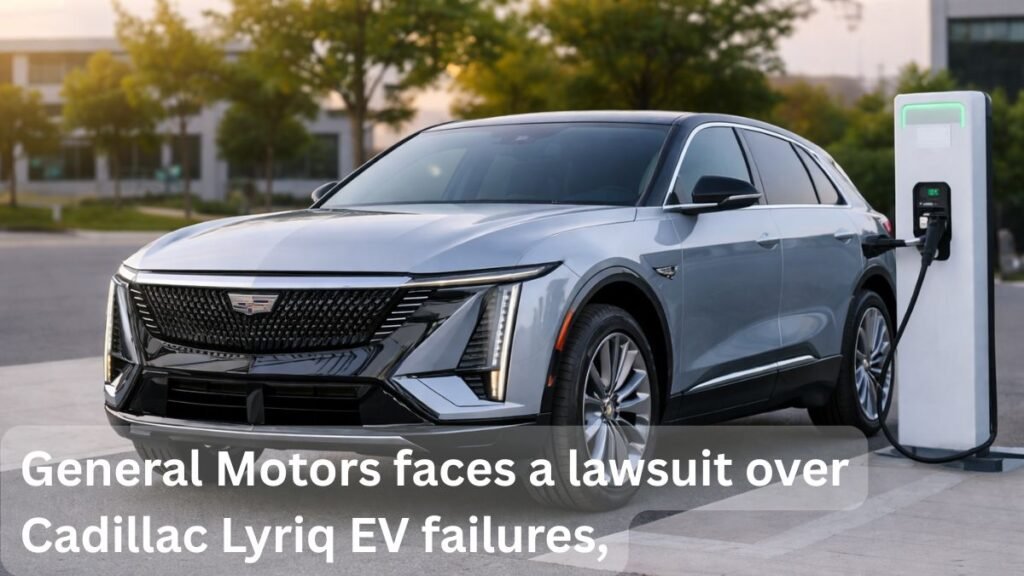
General Motors faces a lawsuit over Cadillac Lyriq EV failures, with owners claiming their vehicles can suddenly become inoperable. Here’s everything you need to know.
GM Faces New Lawsuit Over Cadillac Lyriq EV Reliability
Electric vehicles are supposed to represent the future of reliable, high-tech transportation. But for some Cadillac Lyriq owners, that future is looking uncertain. General Motors (GM) is now facing a proposed class action lawsuit alleging that its premium electric SUV can suddenly stop working without warning.
The case raises serious concerns about EV reliability, especially as automakers push aggressively toward electrification.
Key Highlights
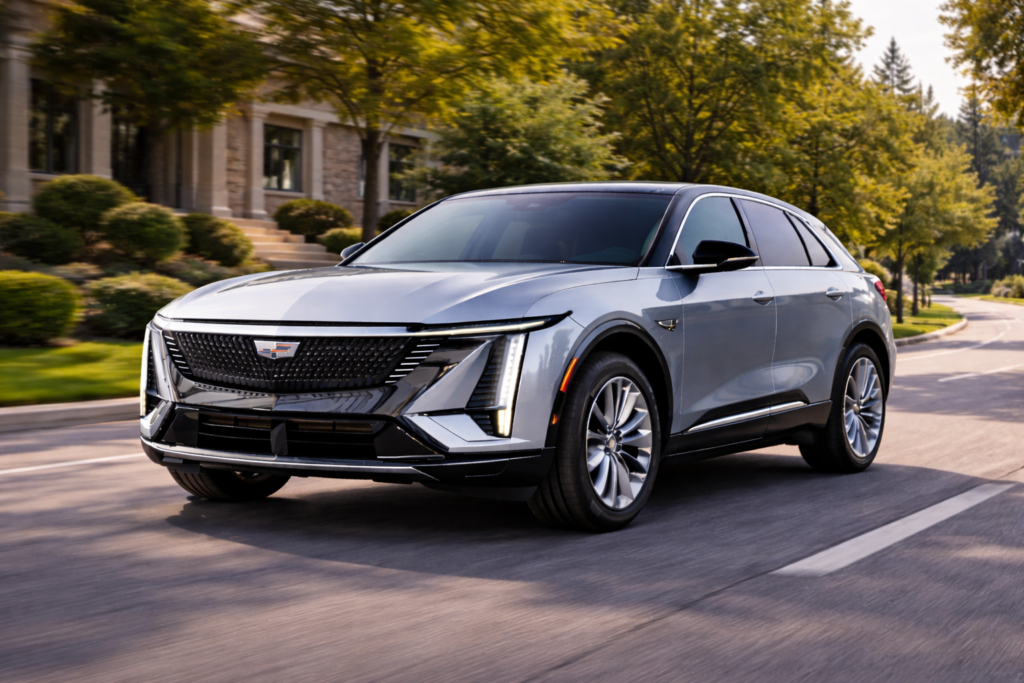
- Two Cadillac Lyriq owners have filed a proposed class action lawsuit.
- The lawsuit claims the EVs can become completely inoperable without warning.
- Plaintiffs allege GM knew about the defects but failed to disclose them.
From Gas Engine Problems to EV Troubles
GM has already been dealing with multiple lawsuits tied to its internal combustion engine (ICE) vehicles, including issues with V8 and inline-three engines. Now, attention is shifting toward the company’s electric vehicle lineup.
The Cadillac Lyriq, one of GM’s flagship EVs, is at the center of this controversy. Owners claim the problems go beyond typical early-production glitches and point toward deeper system failures.
This situation raises a bigger question: Is this an isolated issue, or does it indicate broader challenges in GM’s EV transition?
What’s Going Wrong With the Cadillac Lyriq?
According to the lawsuit, several critical systems may be involved in the failures, including:
- Control module communication systems
- Battery management systems
- Charging systems
In some reported cases, the vehicle becomes completely unusable and must be towed to a dealership. Even then, technicians allegedly struggle to identify or fix the root cause.
Did GM Know About the Problem?
The plaintiffs claim GM was already aware of these issues before selling the vehicles. According to the complaint, the company had access to:
- Internal testing data
- Warranty claims
- Dealership service reports
- Consumer complaints filed with regulators
Despite this, GM continued marketing the Lyriq as a premium and reliable electric vehicle built on its Ultium platform.
Class Action and Legal Claims Explained
The lawsuit aims to represent a larger group of Cadillac Lyriq owners across the United States. It includes claims under:
- Federal warranty laws
- State-level consumer protection laws
If certified as a class action, the case could expand significantly and potentially impact thousands of vehicle owners.
GM’s Response: Buybacks but Delays?
So far, GM has not made a detailed public statement regarding the lawsuit. However, the complaint alleges that the company offered to buy back some affected vehicles.
The issue, according to plaintiffs, is that GM has been slow to follow through with payments. This delay could be a strategy to reduce immediate financial impact while the situation unfolds.
What This Means for EV Buyers
This lawsuit highlights a growing concern in the EV market: software and system reliability. Unlike traditional vehicles, EVs rely heavily on complex electronic systems that can cause major failures if something goes wrong.
For potential buyers, it’s a reminder to:
- Research reliability reports before purchasing
- Stay updated on recalls and service bulletins
- Understand warranty coverage and buyback policies
also read- GM Sued Over Cadillac Lyriq EVs That Allegedly Stop Working
Final Thoughts
The Cadillac Lyriq lawsuit could become an important test case for EV reliability and manufacturer accountability. As automakers race toward an electric future, ensuring consistent performance and transparency will be critical to maintaining consumer trust.
Whether this issue turns out to be isolated or widespread, it’s clear that even the most advanced electric vehicles are not immune to serious problems.