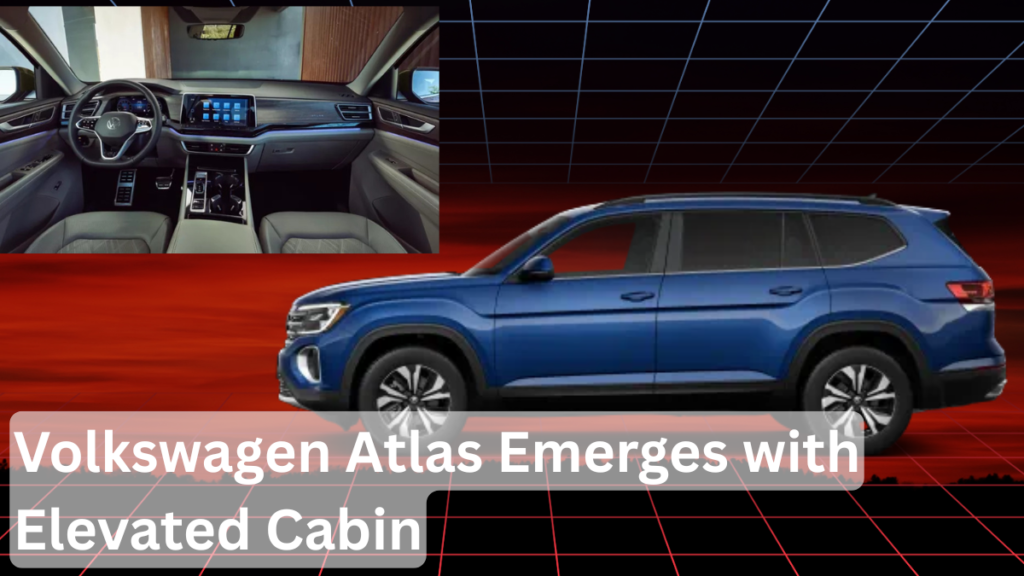
Volkswagen has finally drawn the curtain back on the 2027 Atlas, stepping boldly into the fiercely competitive three-row SUV arena with renewed intent and a far sharper identity.
Highlights at a Glance
- The 2027 VW Atlas arrives wearing a more assertive design language, fortified powertrain, and cutting-edge technology suite.
- Cabin refinements introduce upscale textures, immersive ambient illumination, and next-level infotainment sophistication.
- A hybrid variant is slated for arrival during the model’s lifecycle refresh, signaling a pivot toward electrified versatility.
A Reinvented Presence in a Crowded Segment
After a steady stream of previews, Volkswagen has officially unveiled the 2027 Atlas in New York. This iteration marks the second chapter of the Atlas lineage, following its initial debut back in 2017. While the original model carried practicality in abundance, it often lingered in the shadows of more visually arresting competitors.
This time, however, Volkswagen appears determined to rewrite that narrative. With a sharpened silhouette, a digitally enriched interior, and a more potent engine under the hood, the Atlas now strides into a battleground populated by formidable rivals such as the latest Kia Telluride and Hyundai Palisade. Only now, it does so with far greater conviction.
Exterior Design: Familiar Dimensions, Sharper Persona

At first glance, the new Atlas retains its foundational proportions. Width, wheelbase, and height remain largely untouched, yet a subtle extension in length lends it a more commanding road presence. What truly distinguishes it, however, is the newfound boldness etched into every contour.
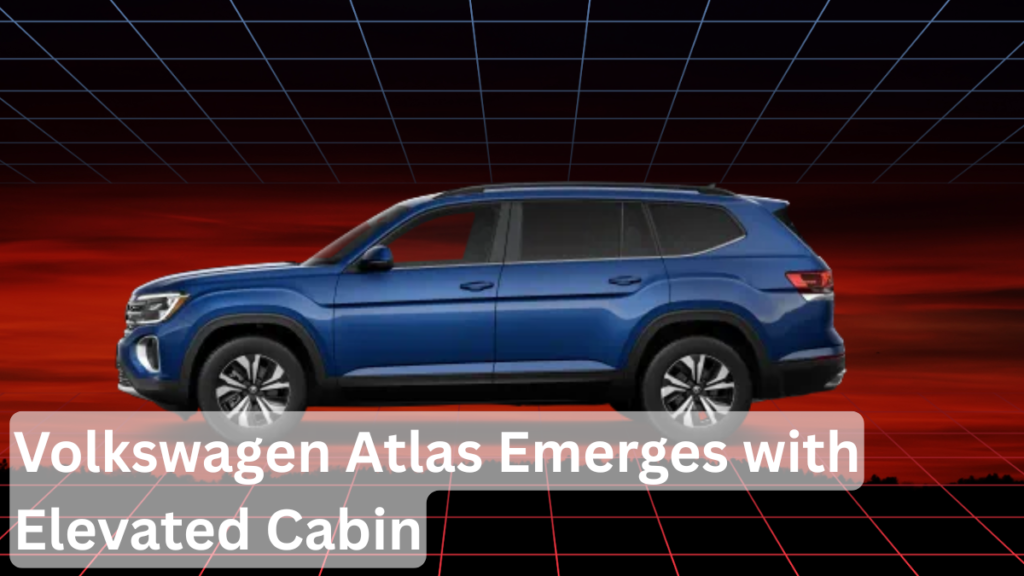
The front fascia showcases a striking dual-stacked LED headlamp arrangement, paired with a masked upper grille that exudes a more sculpted and deliberate character. A pronounced hood further amplifies its visual authority. Notably, trims above the base variant feature an illuminated Volkswagen emblem, adding a distinctive nocturnal signature.
Also Read MG Windsor EV Real World Range Review 2026: Tested Efficiency and True Driving Range
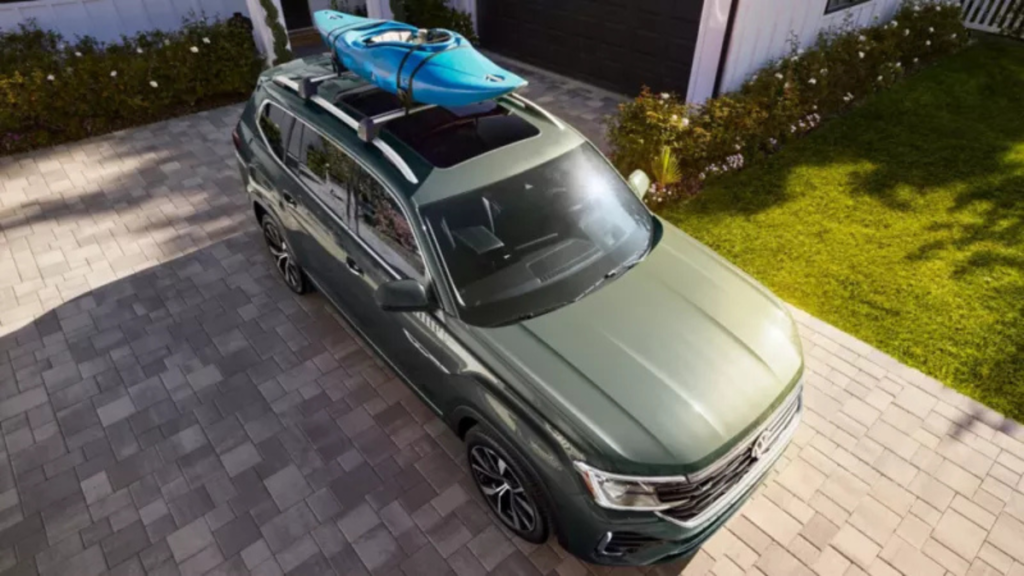
Viewed from the side, the Atlas reveals tighter, more athletic surfacing. The fenders appear more muscular, giving the SUV a planted and confident stance. At the rear, a broader light strip stretches across the tailgate, accompanied by a more assertive spoiler—subtle touches that modernize without abandoning its utilitarian DNA.
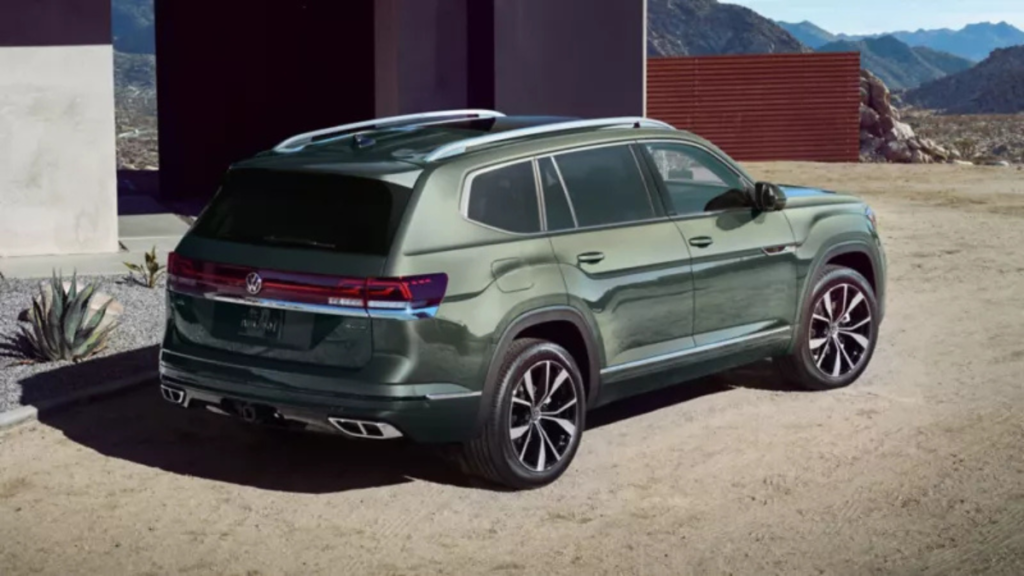
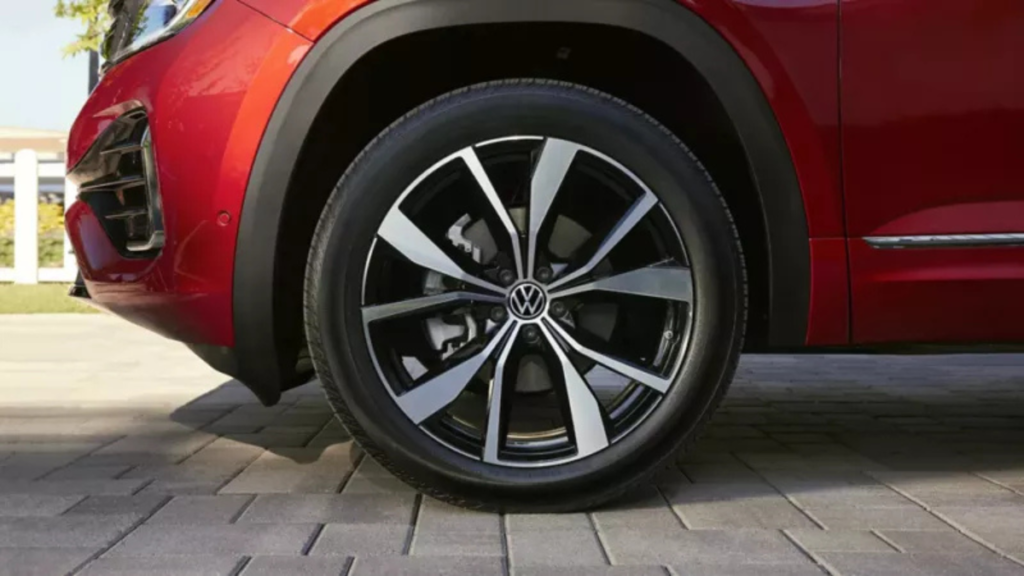
Wheel options vary thoughtfully: the entry-level model rides on 18-inch alloys, while higher trims step up to 20- or 21-inch designs with intricate detailing. The color palette has also been refreshed with additions such as Blackberry, Sacramento Green, and Sandstone—tones that lend the Atlas a more expressive personality. Premium flourishes like projection puddle lamps and illuminated door handles elevate the overall experience.
Interior: Where the Real Transformation Lies
While the exterior evolves with restraint, the cabin undergoes a far more profound metamorphosis. Step inside, and the difference is immediately palpable.
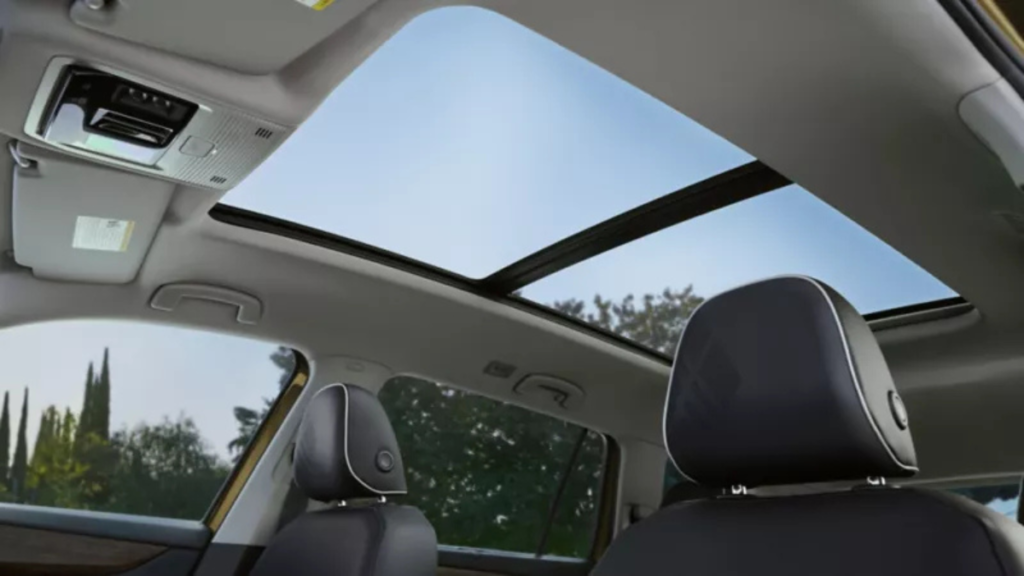
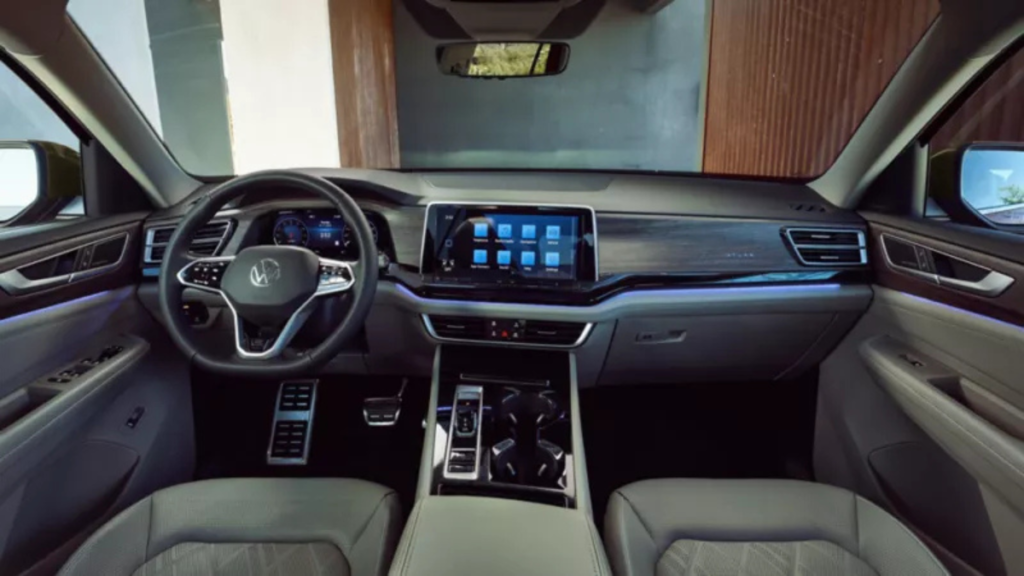

The material selection leans heavily toward refinement—soft-touch surfaces, intricate detailing, and an overall sense of craftsmanship that feels deliberately curated. Volkswagen has also experimented more freely with ambient lighting, creating a layered atmosphere that shifts with mood and setting, rather than simply illuminating the cabin.

Genuine wood accents now stretch across the interior, offering a tactile richness that enhances the premium appeal. Buyers can choose from three distinct color themes: Pebble Grey, Black/Dark Gray, and Wine—each lending a unique emotional tone to the space.
Standard upholstery arrives in leatherette, though higher trims unlock the indulgence of Varenna and Nappa leather, both of which elevate comfort to a more opulent tier. The seats, dashboard, and door panels collectively craft an environment that feels less utilitarian and more lounge-like—an intentional pivot toward sophistication.
In essence, the 2027 Volkswagen Atlas doesn’t merely evolve—it recalibrates. What was once a sensible yet subdued family SUV now feels more deliberate, more expressive, and undeniably more competitive in a segment where standing still is not an option.
Seamless Connectivity: Apple CarPlay and Android Auto Integration
Digital synergy takes center stage inside the 2027 Atlas, where smartphone integration feels less like an add-on and more like an intrinsic extension of the driving experience. The system supports both Apple CarPlay and Android Auto, ensuring seamless interoperability regardless of device allegiance.
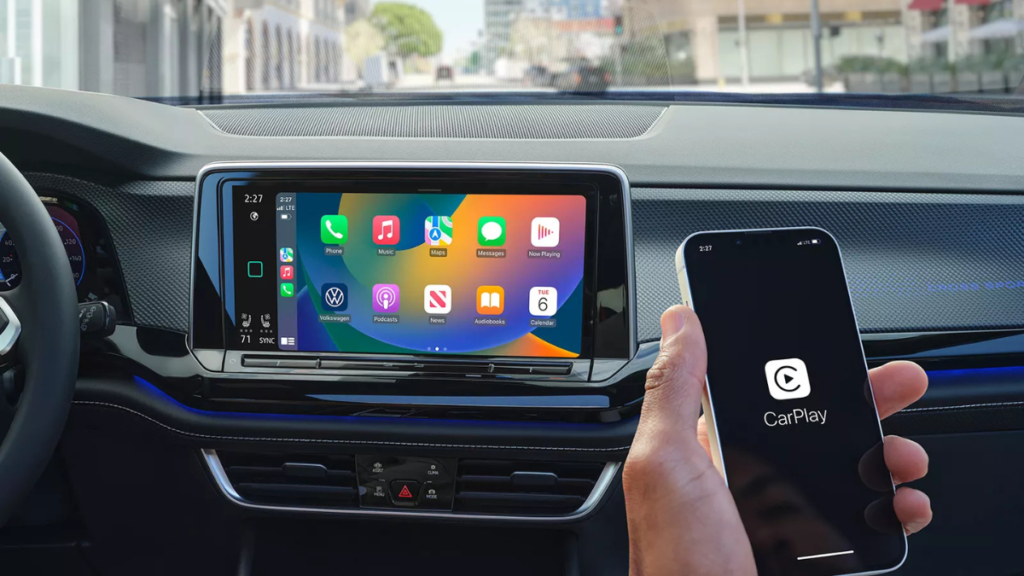
Wireless functionality eliminates the clutter of cables, allowing drivers to mirror apps, navigation, and media effortlessly onto the central display. The interface operates with notable fluidity—transitions feel crisp, responses are immediate, and voice commands register with impressive accuracy.
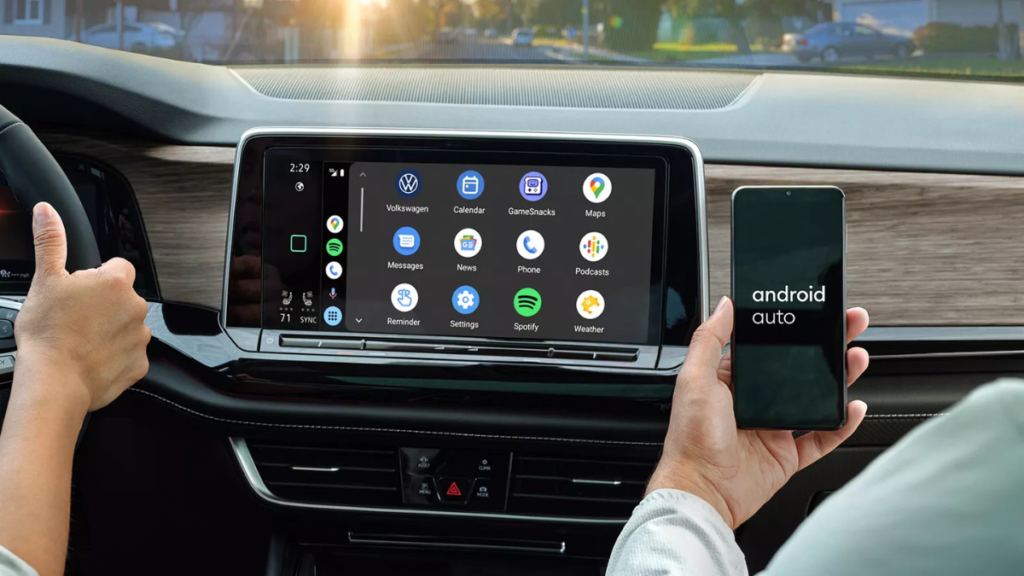
Navigation through Apple Maps or Google Maps becomes intuitive, while access to music platforms, messaging, and calls remains distraction-free. The system’s layout is intelligently structured, offering split-screen capability so drivers can monitor navigation while controlling media simultaneously.
In essence, the Atlas doesn’t merely connect—it harmonizes digital life with motion, transforming the cabin into a responsive, tech-infused ecosystem rather than just a place to sit and steer.
In essence, the 2027 Volkswagen Atlas doesn’t merely evolve—it recalibrates. What was once a sensible yet subdued family SUV now feels more deliberate, more expressive, and undeniably more competitive in a segment where standing still is not an option.