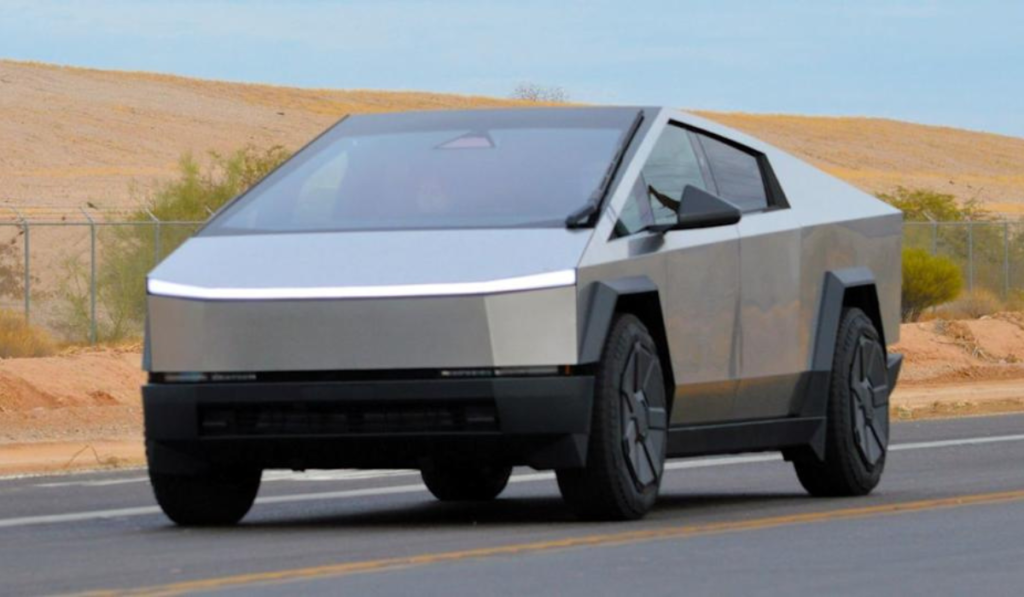
A Tesla Cybertruck driven 100,000 miles in one year reveals real-world durability, battery health, and ownership costs. See what owners experienced.
Tesla’s Tesla Cybertruck is one of the most talked-about vehicles in recent years. But beyond the hype, one extreme ownership story is now grabbing attention — a Cybertruck that has clocked over 100,000 miles in just one year.
Naturally, people are asking: what happens to an electric truck under that kind of heavy use?
100,000 Miles in One Year — That’s Not Normal
To put things into perspective, most drivers cover 10,000–15,000 miles per year.
So hitting 100,000 miles means:
- Heavy daily usage (possibly commercial or long-distance driving)
- Frequent charging cycles
- High wear on components
This makes it a perfect real-world stress test.
Battery Health: The Biggest Question
The most important concern with any EV is battery degradation.
What Happened
- Battery health remained surprisingly stable
- Only minor range reduction reported
- Fast charging did not cause extreme damage
This suggests Tesla’s battery tech is holding up well even under pressure.
Performance After Heavy Use
Despite the high mileage, the Cybertruck reportedly maintained strong performance.
Observations
- Acceleration still quick and responsive
- No major drivetrain issues
- Smooth driving experience continues
That’s impressive considering the intense usage.
Maintenance and Repairs
EVs are known for lower maintenance, but at 100,000 miles, some issues are expected.
Reported Issues
- Tyre wear (frequent replacement needed)
- Minor software glitches (fixed via updates)
- Brake wear lower than traditional vehicles
No major mechanical failures were reported, which is a big plus.
Charging Experience
Charging plays a huge role in high-mileage EV usage.
Key Points
- Frequent use of fast charging stations
- Charging costs still lower than fuel expenses
- Convenience depends on infrastructure availability
The experience shows EVs can handle heavy usage if charging access is good.
What Surprised Everyone
The biggest surprise is not what went wrong — but what didn’t.
Key Takeaways
- No major battery failure
- No serious mechanical breakdown
- Performance remained consistent
- Lower running cost compared to petrol trucks
Honestly, many expected bigger issues.
What This Means for EV Buyers
This real-world case gives valuable insight into EV ownership.
Buyer Insights
- EVs can handle high mileage reliably
- Battery life is better than many expected
- Maintenance costs remain lower
- Good option for long-term ownership
It builds confidence for potential buyers.
Challenges Still Remain
It’s not all perfect.
Limitations
- Charging infrastructure still important
- High upfront cost
- Range anxiety in some areas
- Tyre wear can be expensive
So there are still practical considerations.
Conclusion
A Tesla Cybertruck crossing 100,000 miles in just one year proves that modern EVs are more durable than many people think. While small issues exist, the overall performance, battery health, and reliability are impressive.
For anyone still doubting EV durability, this real-world example makes a strong case — these vehicles are built to last.
FAQ
How much is 100,000 miles in km?
Around 160,000 kilometers.
Did the battery degrade significantly?
No, only minor degradation was reported.
Were there major repairs?
No major failures, mostly minor issues.
Is Cybertruck good for long-term use?
Yes, based on this case, it appears reliable for high mileage.
Is EV maintenance cheaper?
Generally yes, compared to petrol or diesel vehicles.
Pingback: Stellantis Shifts Strategy: Focus Turns to Core Brands in Major Turnaround Plan - ev auto Industry